Source Dossier — F1-P1
The Access Philosophy Divide
ATB publishes a full source dossier for every Intelligence Brief. Every source used in this analysis is listed below with its tier classification, any editorial disclosure that applies, and a brief note on why this source was included. This is ATB’s editorial transparency standard.
Source Tier Definitions: Primary — original reporting, official documents, peer-reviewed research, direct vendor disclosures. Secondary — credible analysis citing primary sources, established trade press with editorial standards.
Primary Sources
1. Anthropic — Project Glasswing Announcement
Published: April 7, 2026 | Tier: Primary
Editorial Disclosure: Anthropic developed Mythos Preview and operates Project Glasswing — the direct subject of this post. All Glasswing architectural claims originate here and are attributed explicitly.
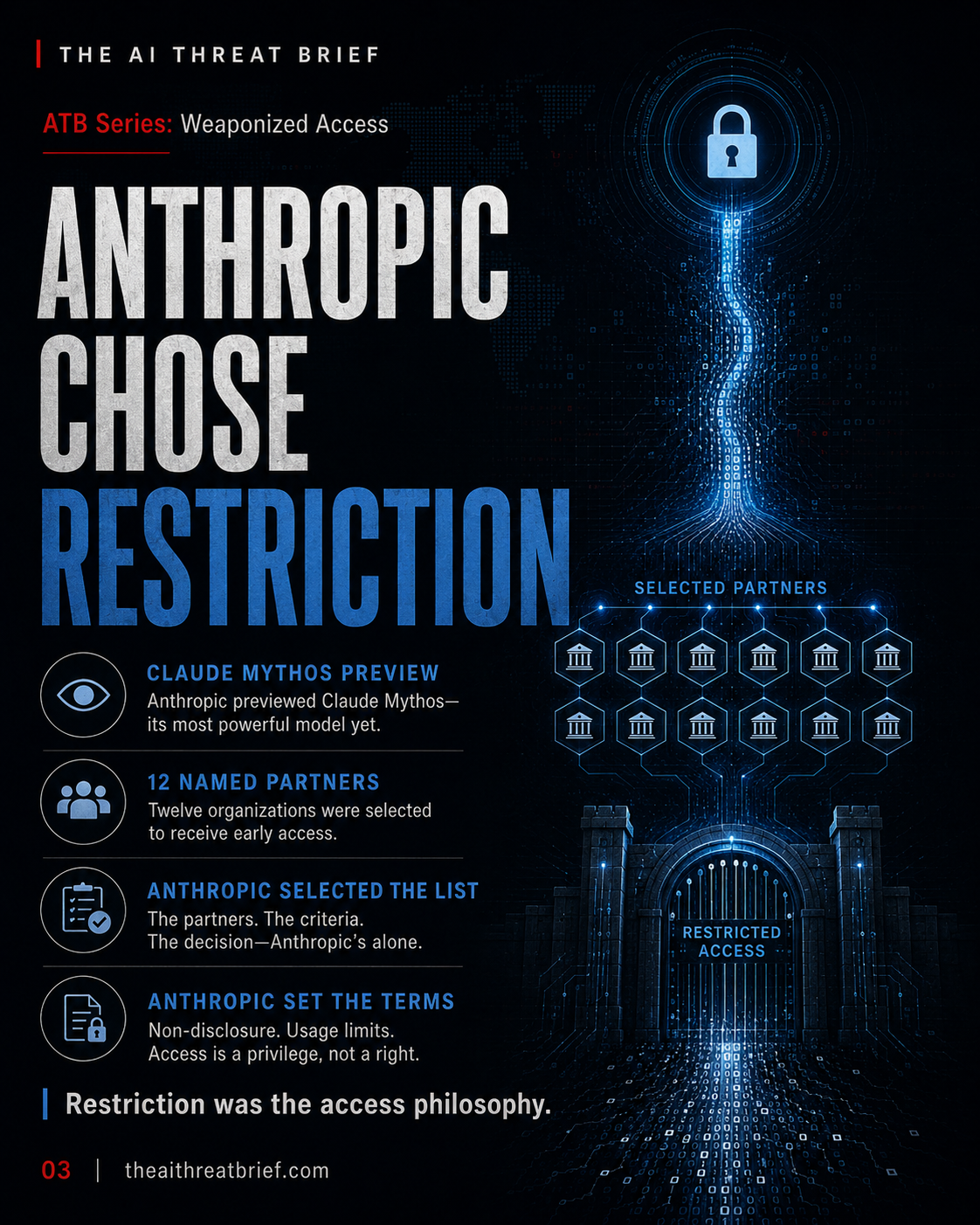
The foundational source for Glasswing’s architecture, partner selection rationale, and access philosophy. The 12 named partners, the vulnerability discovery claims, and the restriction model all originate in this document.
anthropic.com/news/project-glasswing
2. Anthropic — Project Glasswing: An Initial Update
Published: May 22, 2026 | Tier: Primary
Editorial Disclosure: Anthropic — same as Source 1.
The primary quantitative record for Glasswing’s 30-day partner findings: more than 10,000 vulnerabilities identified, fewer than 1% patched. The patch gap is the analytical core of this series.
anthropic.com/research/glasswing-initial-update
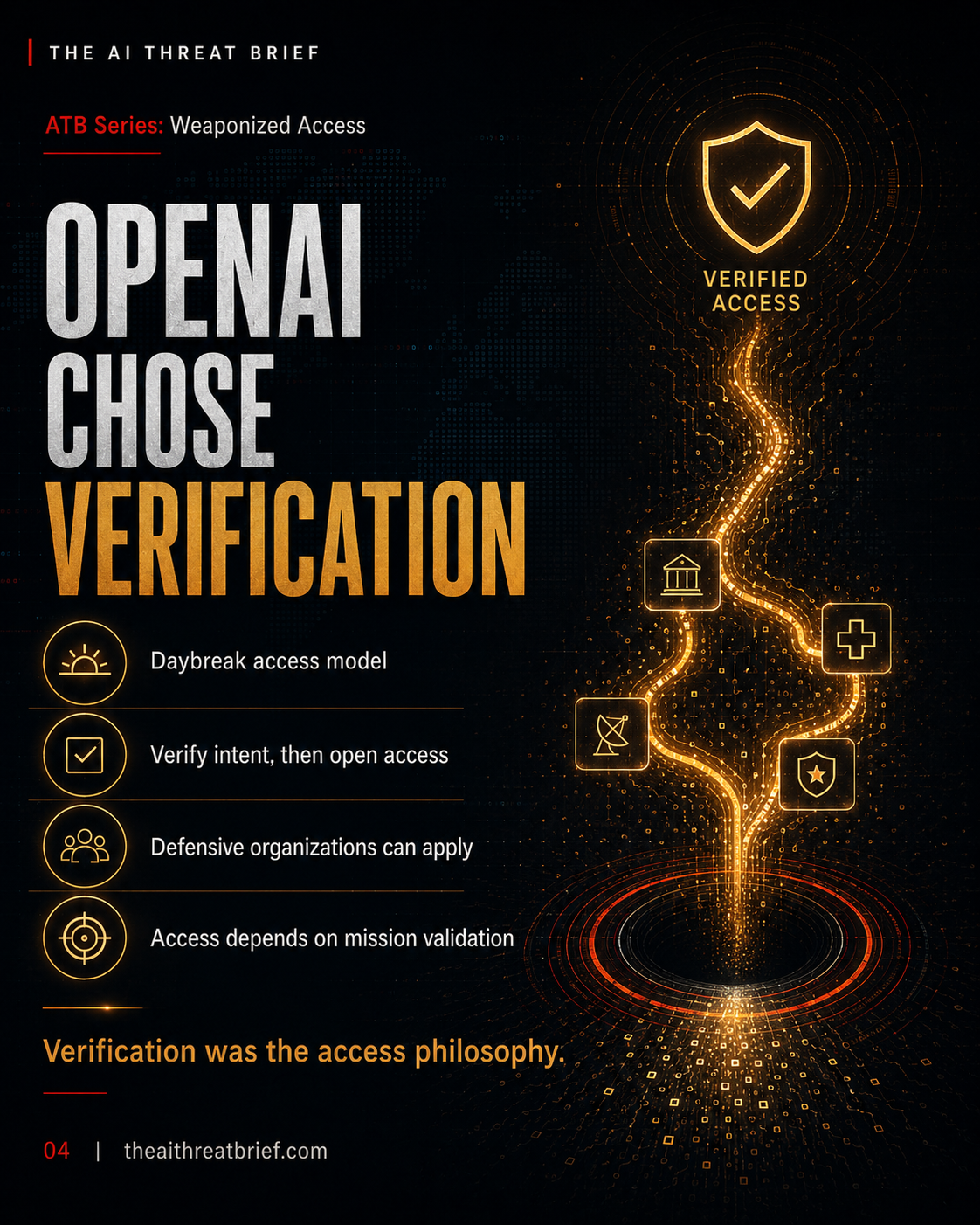
3. OpenAI — Project Daybreak Announcement
Published: May 11, 2026 | Tier: Primary
Editorial Disclosure: OpenAI developed GPT-5.5 Cyber and operates Project Daybreak — the comparison subject of this post. All Daybreak architectural claims originate here and are attributed explicitly.
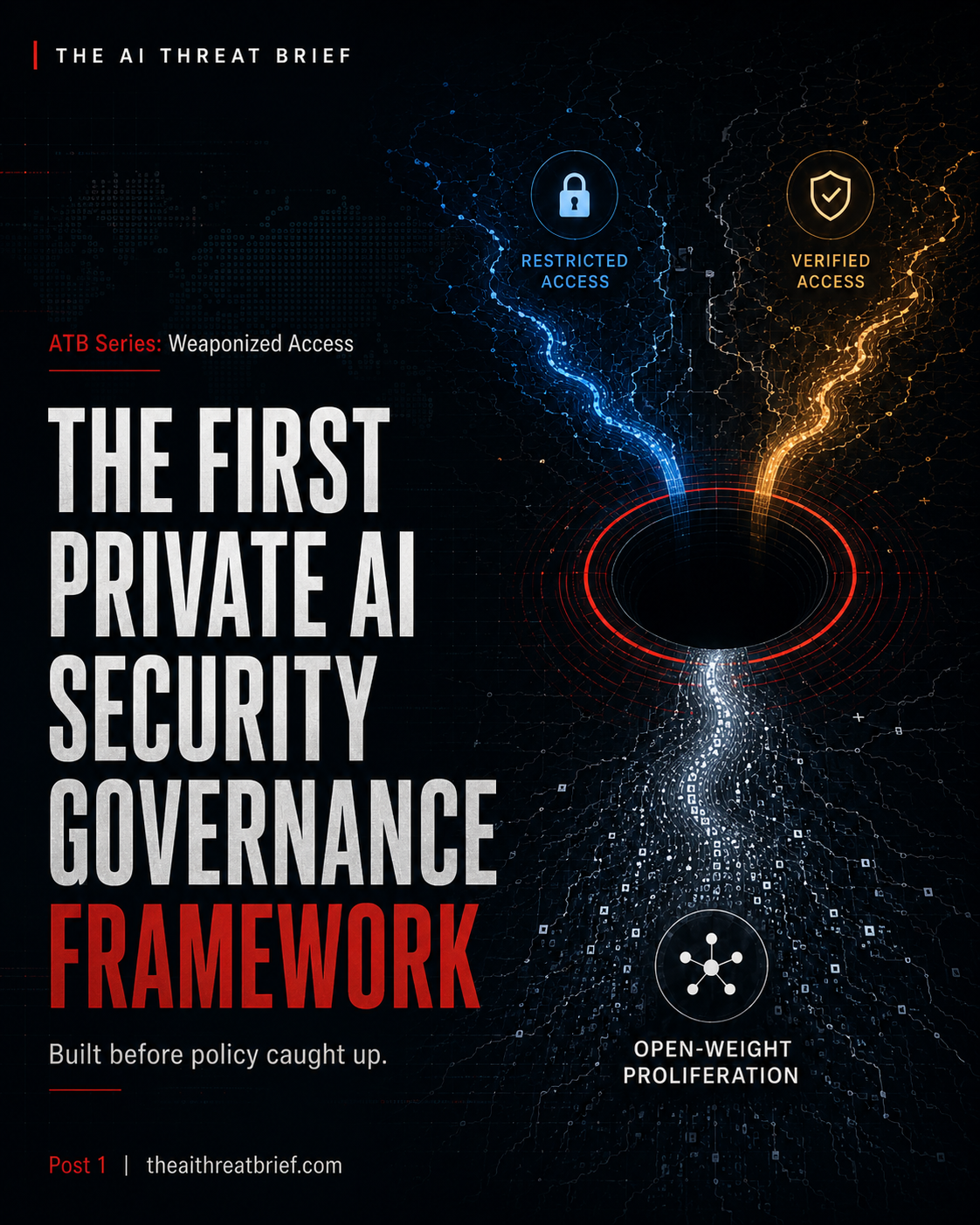
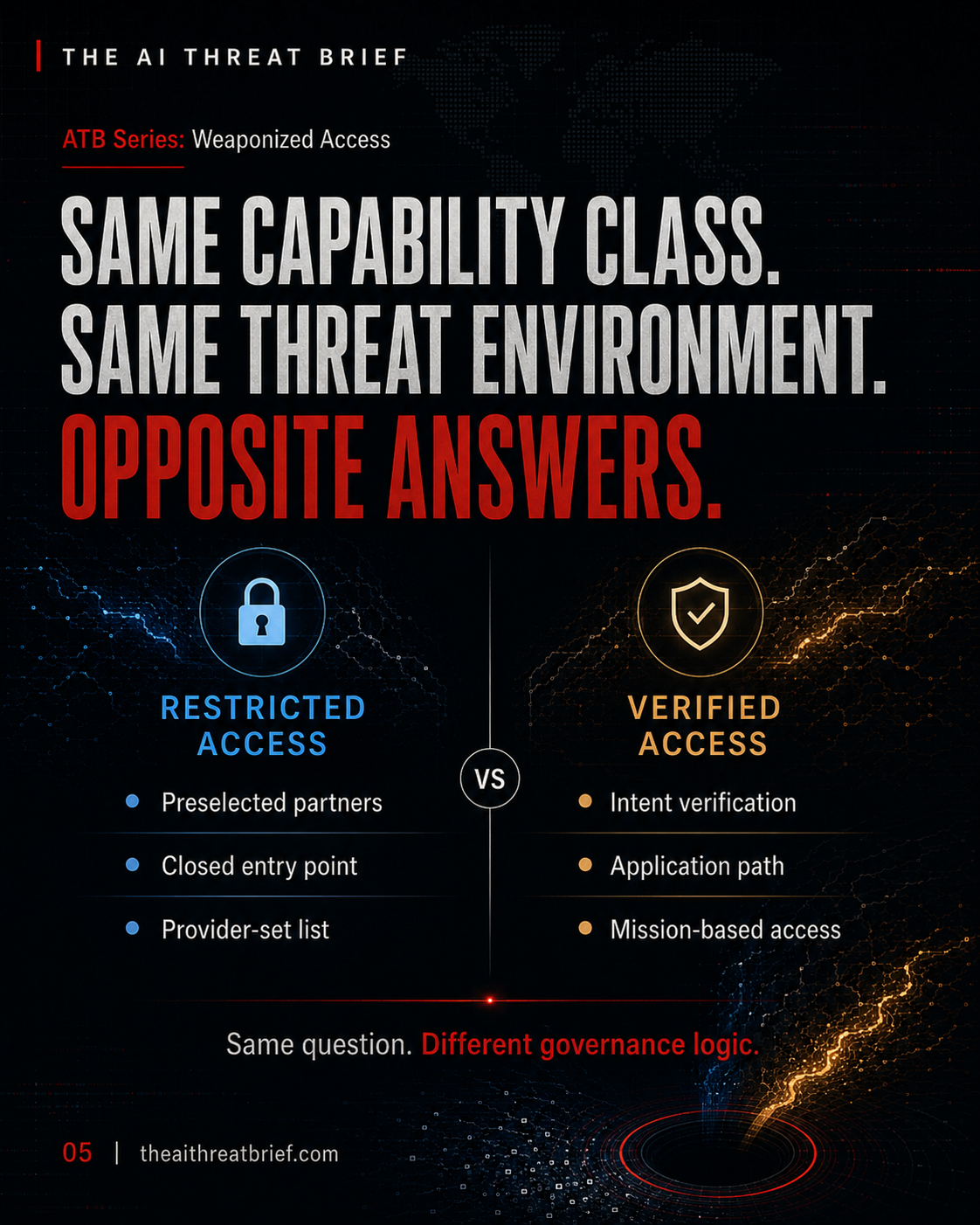
The foundational source for Daybreak’s verification-gated access philosophy. The structural contrast with Glasswing’s restriction model is the analytical frame this post establishes.
openai.com/index/project-daybreak
4. Bloomberg — Day-One Glasswing Breach
Published: April 21, 2026 | Tier: Primary
URL parameter guessing gave unauthorized users access to Mythos Preview on the day Glasswing launched. Primary source for the argument that access restriction as a security mechanism was tested immediately and found imperfect.
bloomberg.com/news/articles/2026-04-21/anthropic-glasswing-breach
Secondary Sources
5. CETaS / The Alan Turing Institute — Claude Mythos: What Does Anthropic’s New Model Mean for the Future of Cybersecurity?
Published: April 2026 | Tier: Secondary
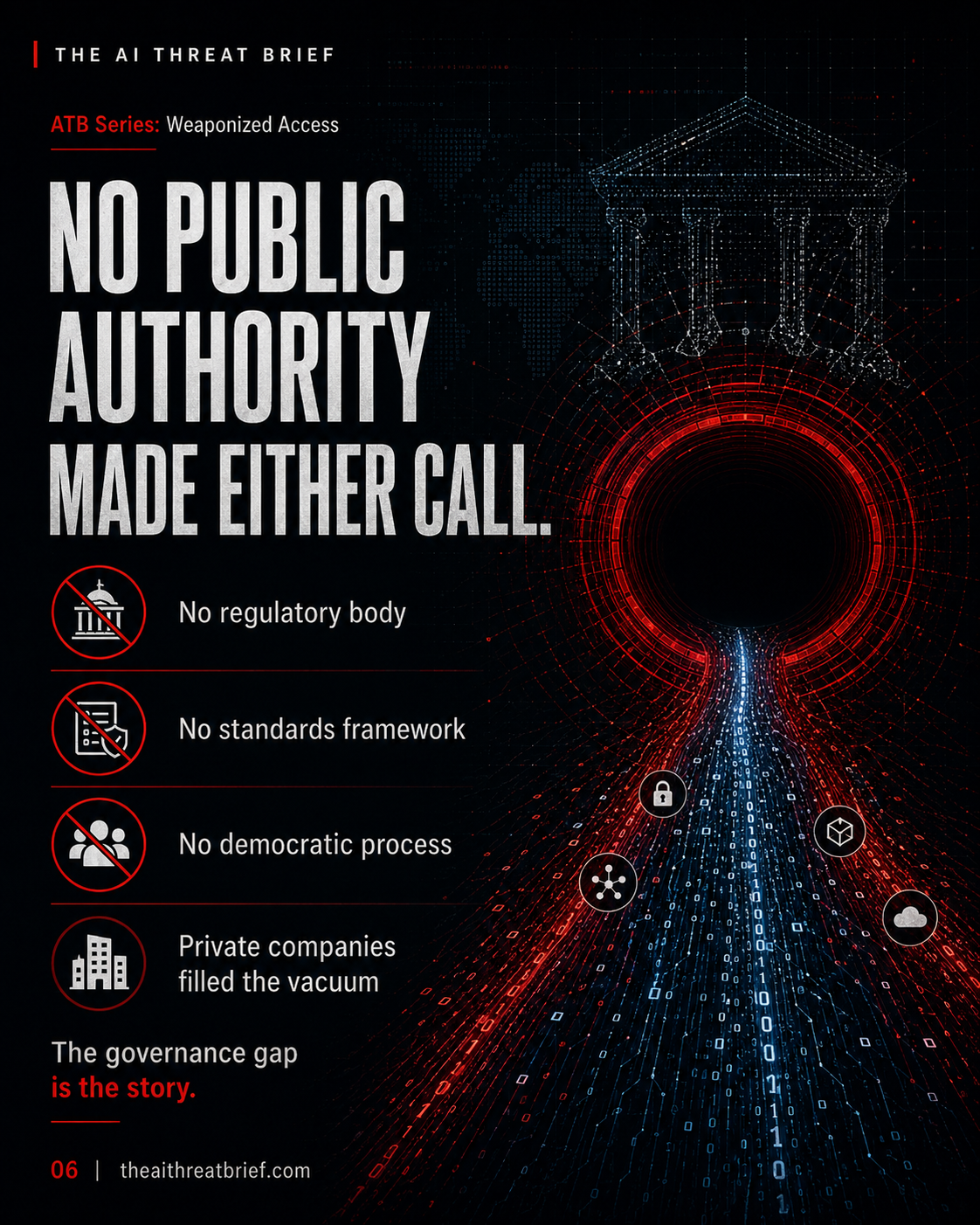
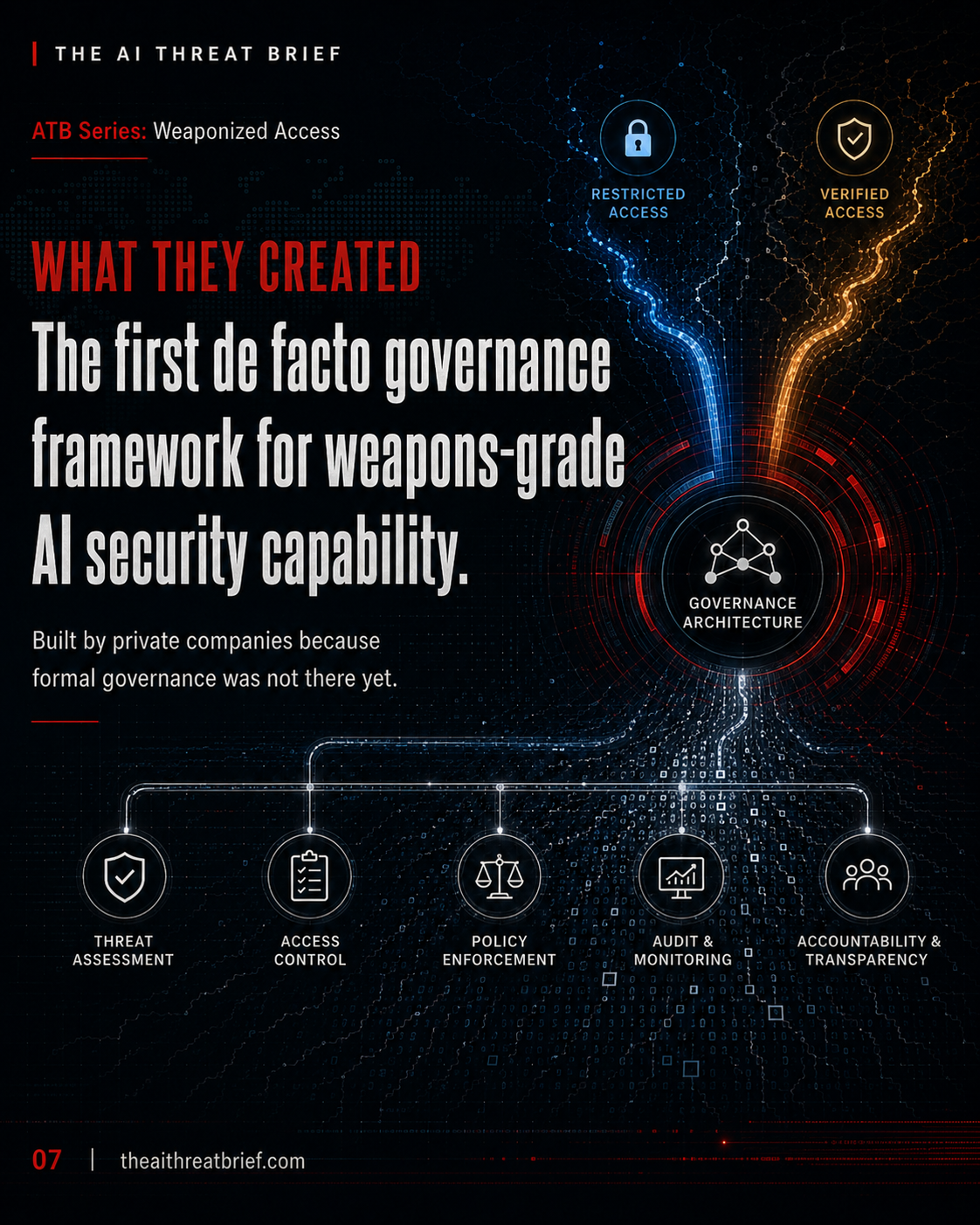
The authoritative independent institutional voice on Glasswing’s governance implications. ATB’s primary independent framing anchor for this series: “The Glasswing model — access determined by a single lab’s partner agreements — is unlikely to be the final answer.”
cetas.turing.ac.uk/publications/claude-mythos-future-cybersecurity
6. Wavespeed AI — Glasswing Deep Analysis
Published: April–May 2026 | Tier: Secondary
Independent technical analysis of the 90-day public commitment mechanics and CVE-2026-4747 details. Provides operational depth on the FreeBSD vulnerability that is Glasswing’s primary capability showcase.
wavespeed.ai/glasswing-deep-analysis
7. Picus Security — The Glasswing Paradox
Published: April–May 2026 | Tier: Secondary
Practitioner-level analysis raising the IPO timing concern and the calendar-speed versus machine-speed governance problem. Represents the credentialed security practitioner community’s early reaction to Glasswing’s access model.
picussecurity.com/resource/blog/glasswing-paradox
ATB Editorial Transparency
ATB publishes a full source dossier for every Intelligence Brief. Sources are tiered, editorial disclosures are applied to affiliated sources, and the analytical weight given to each source is documented. The corporate sources provide the facts. The independent sources provide the analytical frame.
ATB Source Dossier | F1-P1 — The Access Philosophy Divide | Weaponized Access Series | theaithreatbrief.com | June 2026